

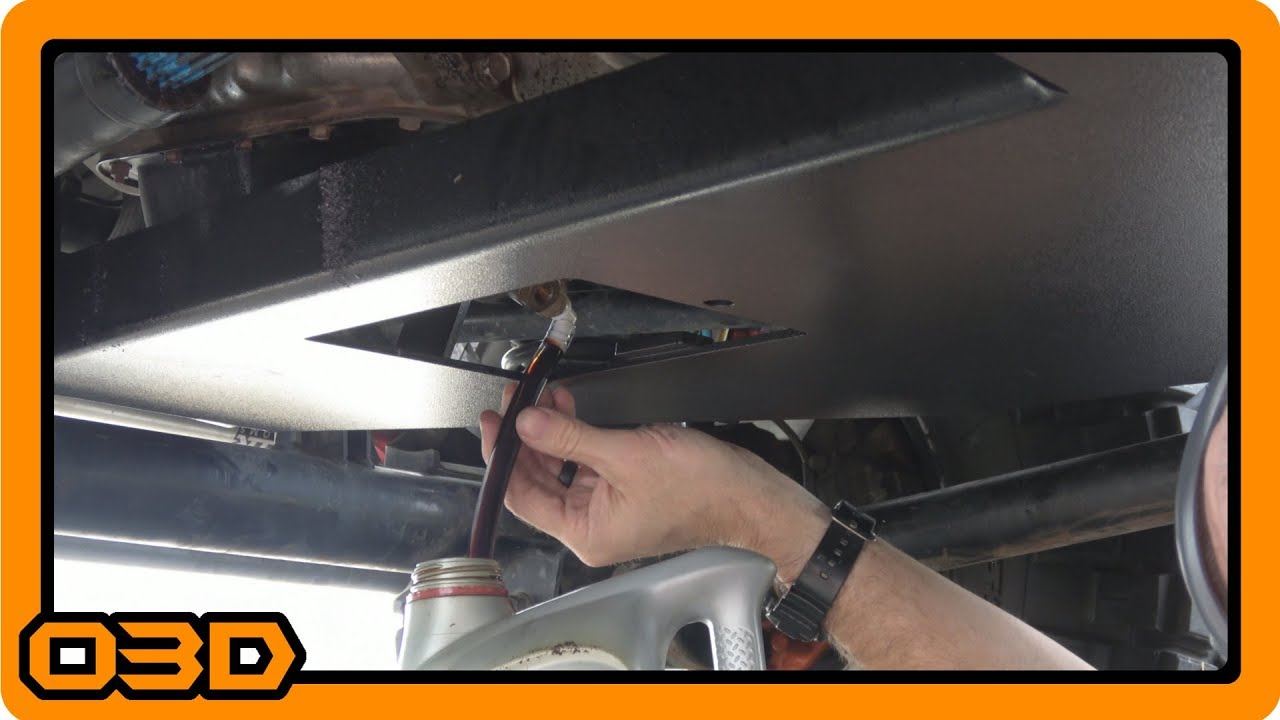
Changing my Oil After the Rock Hard 4X4 Skid Plate Installation - Fumoto - 2015 Jeep Wrangler
September 7, 2018
Learn how to change your oil efficiently after installing a skid plate on your Jeep Wrangler.
Quick Look
- Super quick video to show you one way to change the oil after the skid plate installation. I think it will be easy without the fumoto valve...but I love how easy AND CLEAN this thing is!
- Super quick video to show you one way to change the oil after the skid plate installation. I think it will be easy without the fumoto valve...but I love how easy AND CLEAN this thing is!
Overview
Changing the oil in your Jeep can seem like a mundane task, especially after completing a significant upgrade, such as installing a skid plate. However, understanding how to navigate this process with new equipment can enhance your maintenance routine and save you time on future changes. In this article, we'll guide you through changing your oil after the installation of the Rock Hard 4X4 skid plate and discuss some tips to make the process smoother.
What This Covers
This tutorial will walk you through the necessary steps to perform an oil change effectively under the constraints of your new skid plate. We'll highlight the tools you'll need, mention modifications that can improve the experience, and share invaluable tips based on firsthand experience.
Step-by-Step Breakdown
- Prepare Your Tools: Before you start, gather your tools. For this oil change, you will need a 9/16 inch socket to loosen the bolt that holds the skid plate's access door.
- Loosen the Trap Door: Use the socket to loosen the bolt on the trap door on the skid plate. It’s crucial to support the door as you do this, preventing it from falling and causing injury.
- Locate the Drain Hole: Once you’ve removed the trap door, locate the drain hole on the oil pan. Make sure you can access it easily.
- Use the Fumoto Valve: If you have installed a Fumoto Valve, prepare for a cleaner oil change. This valve allows for easier draining and less mess. If, however, the angle isn't ideal, consider repositioning it in the future for easier access.
- Drain the Oil: With the trap door off, you can begin the oil draining process. Keep in mind that oil may flow quickly at first, so ensure your drain pan is positioned correctly to catch it without splattering onto the skid plate.
- Change the Oil Filter: Don’t forget to change your oil filter during this process. It’s a good idea to perform the filter change simultaneously to ensure optimal engine performance.
- Reassemble: After all the old oil is drained and the new oil and filter are in place, reattach the trap door and ensure everything is secure.
Helpful Tips
- Using a Fumoto Valve significantly simplifies the oil change process, reducing spills and mess.
- Always have a catch pan underneath to avoid accidents when removing the oil.
- Have a clean rag handy to wipe off any spills and ensure the area remains clean.
- If you encounter any resistance when loosening bolts or the trap door, don't force it. Ensure you're using the correct tools and methods.
Key Takeaways
Changing your oil after installing a skid plate doesn’t have to be a daunting task. With the right tools, knowledge, and a few helpful modifications, you can streamline your maintenance routine effectively. Always prioritize safety, and don’t hesitate to make adjustments to your setup to enhance convenience for future oil changes. Remember, a clean and well-maintained engine is crucial for the longevity of your Jeep, especially when you're hitting the trails!