

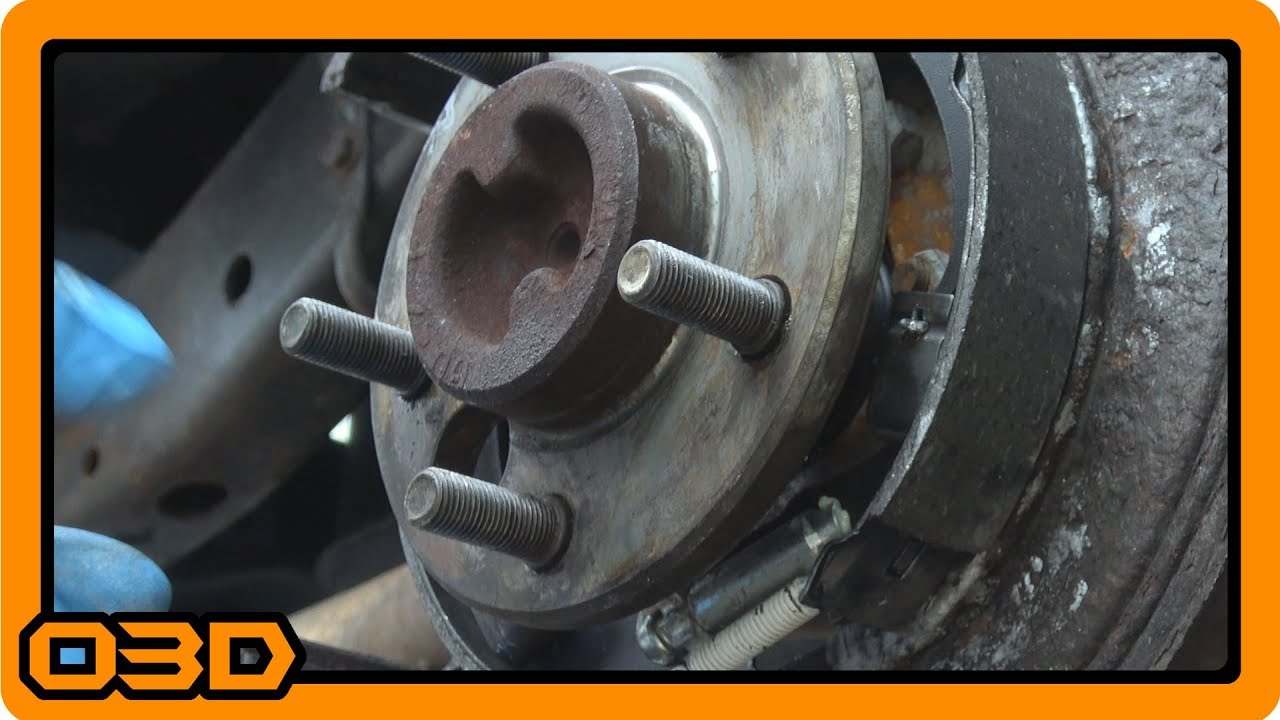
Detailed HOWTO Replace Parking Brake Shoes and Disc Brake Pads Project 2004 Jeep Wrangler TJ
June 13, 2018
Learn how to replace the parking brake shoes and disc brake pads on your 2004 Jeep Wrangler TJ with this comprehensive how-to guide.
Quick Look
Overview
If you're a Jeep owner, especially of a 2004 Jeep Wrangler TJ, knowing how to replace your parking brake shoes and disc brake pads is an invaluable skill. Not only does it save you money, but it also ensures that your Jeep is safe and reliable for both daily drives and off-road adventures. In this article, we'll walk through the detailed steps to successfully tackle this maintenance task that you might not find covered in other videos.
What This Covers
This tutorial covers:
- Identifying the need for brake replacement
- Necessary tools and materials
- Step-by-step instructions for removing old components
- Installing new parking brake shoes and brake pads
Step-by-Step Breakdown
Here's a detailed approach to replacing the parking brake shoes and disc brake pads:
- Preparation: Ensure you have the necessary tools including a jack, jack stands, lug wrench, brake cleaner, and the brake replacement kit which should include the shoes, pads, and a hardware kit. It’s prudent to wear gloves as you’ll be dealing with some messy components.
- Lift the Vehicle: Safely lift the rear of your Jeep and remove the wheels. Make sure to support the vehicle securely using jack stands.
- Remove Old Parts: Start by removing the caliper. Gently push back the caliper piston to relieve tension. Ensure to do this carefully as you don’t want to damage any seals. Don't forget to disconnect your parking brake cable if necessary.
- Work on the Parking Brake Assembly: Utilize a flathead screwdriver to adjust the star wheel inside the assembly, backing off the tension to allow for easier removal of the shoes. It's always best to do one side at a time; this gives you a reference point for reassembly.
- Assess and Clean: Once the old parking brake shoes are removed, take a moment to inspect the backing plate and clean off rust and grime. This is critical as it promotes better performance and longevity of your new parts.
- Install New Shoes: Before installing, lubricate the points where the shoes contact the backing plate. This will aid in smooth operation. Once lubricated, align your new shoes according to their design and secure them in place.
- Reconnect the Assembly: Ensure the components are reattached correctly, including any springs and retainers. Use the new hardware from your kit to replace any worn parts.
- Install the Rotor and Caliper: Before installing the new rotor, clean it thoroughly with brake cleaner to remove any protective oil. Then slide the rotor onto the assembly. Check for proper fit before reattaching the caliper.
- Test the Parking Brake: Before putting everything back together, check the functionality of your newly installed parking brake. As you set it, ensure that the assembly moves freely and engages correctly.
- Final Steps: Reattach the wheel, lower the Jeep, and perform a final inspection of your work. Ensure everything is snug and secure. It's a good idea to take your Jeep for a short drive to test your new brakes.
Helpful Tips
Here are some additional tips to keep in mind:
- Keep your workspace organized. Separating old parts from new can prevent confusion.
- Have a friend help you. Extra hands can make working with brake components easier.
- Refer to your Jeep’s manual for specific details related to your model's braking system.
- Don’t skip cleaning. A clean work area and components will ensure everything fits well and operates smoothly.
Key Takeaways
Replacing the parking brake shoes and disc brake pads on a 2004 Jeep Wrangler TJ is an essential maintenance task that can be accomplished with some basic tools and this guide. Not only will this maintenance improve the performance of your brake system, but it also gives you peace of mind, especially if your Jeep is a daily driver or a weekend off-road warrior. Always prioritize safety, stay organized, and don’t hesitate to reach out for help if needed.