

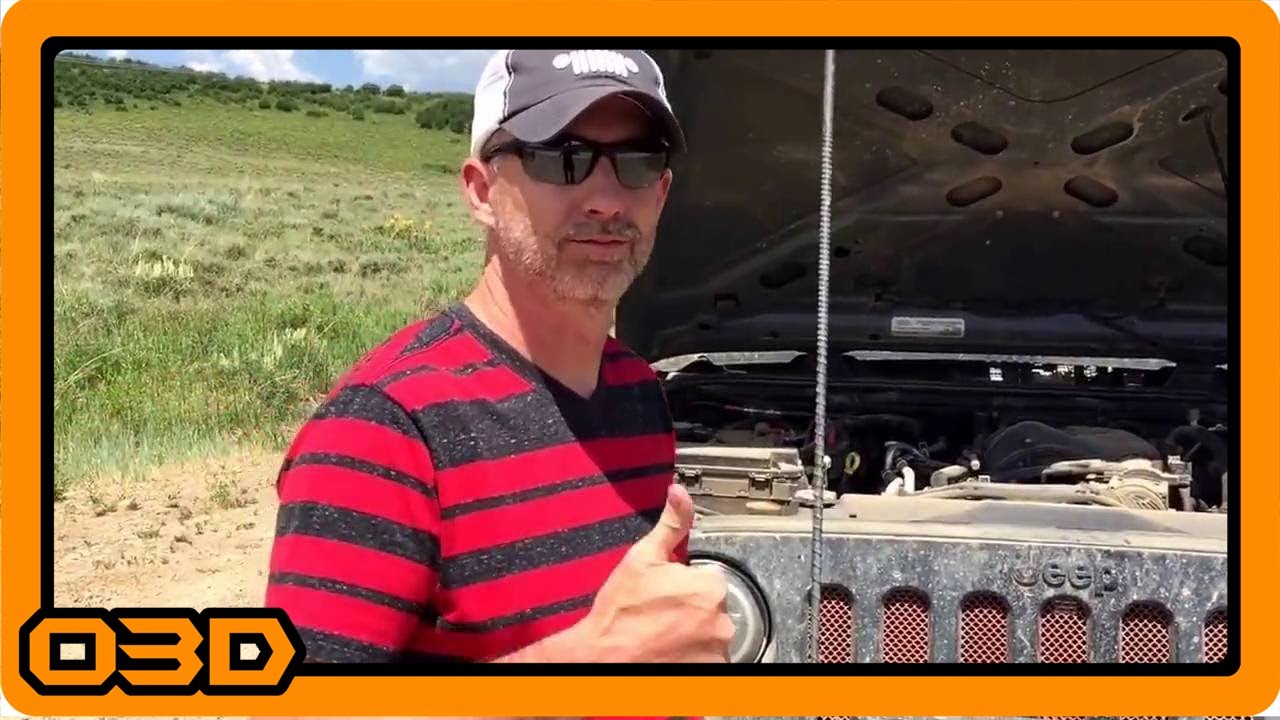
Engine Compartment Cooking for Lunch
June 26, 2016
Discover how to cook a delicious lunch using your Jeep's engine compartment while on the road. Perfect for off-road adventures!
Quick Look
Overview
Cooking in the wild can often feel like a challenge, especially when you're deep into an off-road adventure. However, if you own a Jeep, there's a unique solution that makes lunch as convenient as the journey itself—cooking right in your engine compartment!
What This Covers
In this tutorial, we’ll go through the ingenious method of using your Jeep’s engine heat to prepare a meal on the go. We’ll explore the essential ingredients, equipment needed, and provide you with a handy step-by-step guide to make engine compartment cooking a practical and enjoyable experience during your adventures.
Step-by-Step Breakdown
- Choose Your Meal: Start with a meal that is easy to prepare. Freeze-dried options like Mountain House packets are ideal as they require minimal preparation—just add water.
- Prepare the Ingredients: Depending on the packet, you will typically need cold or boiling water. For engine cooking, cold water will suffice initially. Pour the measured amount of water into the packet.
- Seal It Up: Once the water is added, ensure the packet is sealed tightly. This is crucial; a good seal will prevent the contents from leaking during your drive.
- Place It in the Engine Compartment: Find a secure spot in the engine compartment where the packet won’t move around while you drive. Make sure it’s away from any moving parts and hot surfaces that could damage the packet.
- Drive and Cook: Continue your adventure! The heat from the engine will warm the packet over time. Depending on how long you’re on the road, the meal should be ready after about an hour.
- Check and Serve: After the cooking time, carefully retrieve the packet (make sure it’s not too hot!) and check if the meal is adequately heated before dig in.
Helpful Tips
- Seal Integrity: Make sure the seal on your meal packet is intact. As observed during our cooking experiment, some packets may not be fully air-tight due to manufacturing flaws.
- Monitor Cooking Time: Cooking times may vary based on engine heat and the type of meal. It’s best to check before embarking on a lengthy adventure.
- Experiment with Meals: Don't limit yourself to just beef stew. Experiment with different types of freeze-dried meals—soups, breakfasts, or even desserts!
Key Takeaways
Cooking in your Jeep's engine compartment is not just a fun gimmick; it’s a practical solution for enjoying warm meals on the road. With the right precautions and meal choices, you can enhance your off-road experience without much hassle. Always remember to prioritize safety and food quality as you embark on your culinary adventure while off the beaten path!