

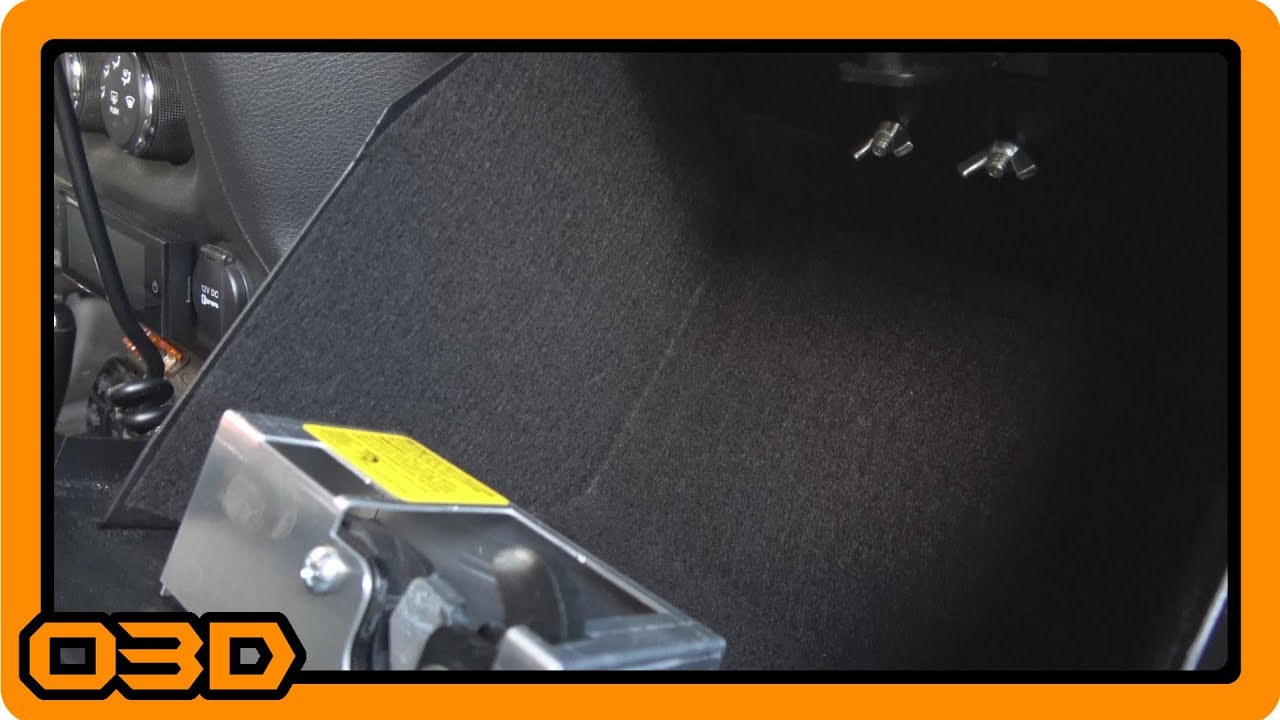
How I Lined my Tuffy Security Containers Adhesive Backed Felt and Foam Sheets
August 11, 2018
Discover how to effectively line your Tuffy Security Containers to eliminate rattles and enhance storage with this DIY tutorial.
Quick Look
Overview
Welcome back, fellow Jeep enthusiasts! Today, we’re diving into a practical modification for those of you who want to maximize the utility of your Tuffy Security Containers. If you’ve installed one of these robust security boxes in your Jeep, you might have noticed that when you toss your gear inside, it can rattle around, especially if the surface is hard metal. Let’s explore how to line these boxes effectively to reduce noise and protect your valuables.
What This Covers
This tutorial covers the best materials for lining your Tuffy Security Containers, the installation process, and the real-world benefits of undertaking this simple yet impactful modification. By the end of this article, you’ll have a solid understanding of how to get your containers lined and ready for both on-road and off-road adventures.
Step-by-Step Breakdown
- Assess Your Needs: Start by checking if your Tuffy Security Containers are making noise. Take note of how objects move when you drive; if there’s significant rattling, you’ll want to proceed with lining your containers.
- Gather Materials: After evaluating your situation, head to your local craft store. For this project, you’ll need adhesive-backed felt or foam sheets. I opted for sticky-backed felt because it’s thinner and allows for a closer fit without taking up too much valuable space. Additionally, you might also want to consider rubber drawer liner for a slightly different approach.
- Prepare the Surface: Before applying your liner, ensure that the surface of the security boxes is clean and dry. This will help the adhesive stick better and ensure a long-lasting application.
- Measure and Cut: Use scissors to cut the adhesive sheets according to the dimensions of your container. When using the felt, remember that you can overlap pieces to cover any bare metal spots fully.
- Apply the Liner: Peel off the backing and carefully place the adhesive sheets in the container, smoothing them out as you go to avoid air bubbles. Make sure it’s well adhered to the surface.
- Check Compatibility: After lining, test how your items fit inside the container. Make adjustments as needed to ensure that everything fits snugly without packing noise during your off-road escapades.
Helpful Tips
- Choose the Right Material: While both adhesive felt and foam can work, consider your specific needs. Felt is generally better for flat surfaces and can reduce noise effectively, while foam can offer more cushioning for delicate items.
- Consider Long-term Durability: The hot weather can influence adhesive quality, especially in summer. The heat may help the adhesive bond even better, but ensure that the material can withstand time and conditions without lifting.
- Test Other Areas: If your security container is lined properly, consider using leftover materials in other compartments or areas of your Jeep where rattling may occur.
Key Takeaways
Lining your Tuffy Security Containers is an inexpensive and effective solution for cutting down on noise during your Jeep adventures. With just a few materials from your local craft store and a bit of DIY effort, you can easily enhance the functionality of your storage. Remember that the right approach can make all the difference in ensuring your gear is not only safe but also snug and quiet while you navigate those rugged trails.
Happy modding, and see you on the trails!