

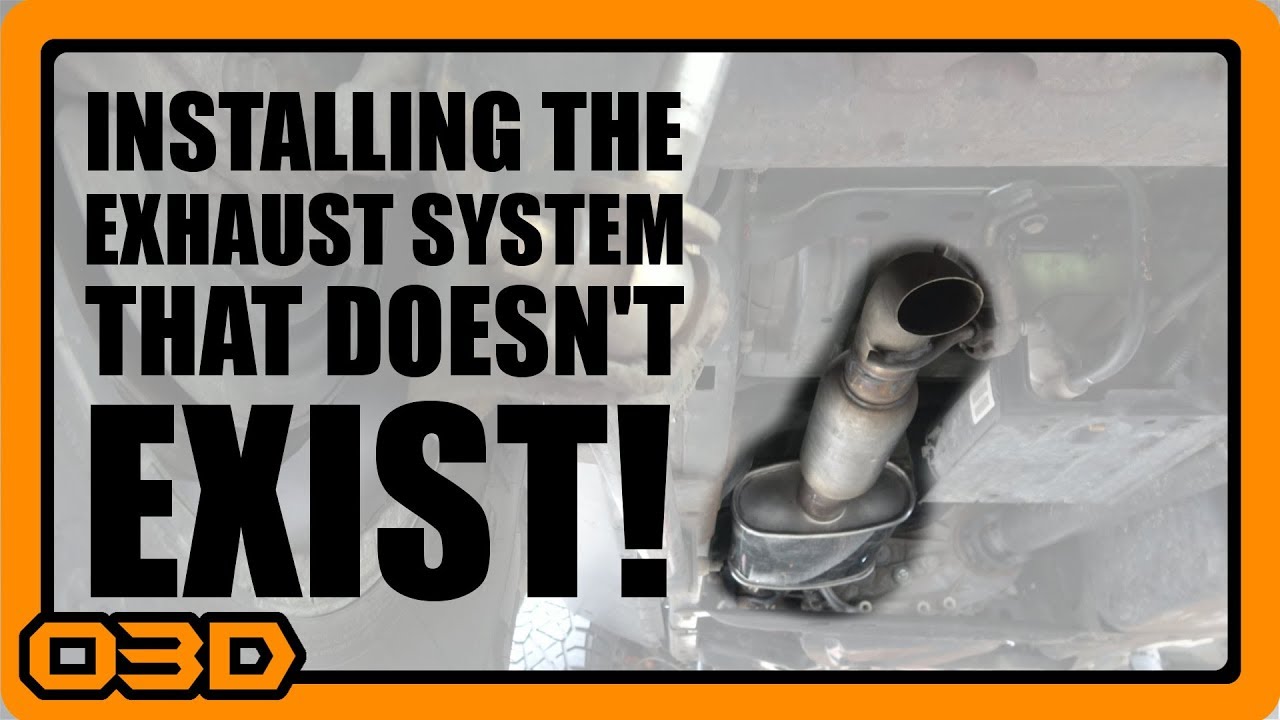
Installing the Exhaust System that Doesn't Exist - Dynomax Quiet Crawler - Before Axle Dump - JKU
July 19, 2018
Explore the Dynomax Quiet Crawler exhaust system installation for JKU with practical tips and insights from an experienced enthusiast.
Quick Look
- So, here is the instructions for the original quiet crawler system (it's a rear dump behind the axle):
- Here's the instruction where I found the downturn and hanger bracket:
- Here are the parts (Amazon links, but you can shop around and take advantage of promotions). They are listed in order of my install.
- Here are the parts (Amazon links, but you can shop around and take advantage of promotions). They are listed in order of my install.
- Here are the parts (Amazon links, but you can shop around and take advantage of promotions). They are listed in order of my install.
- ^ That pipe can probably be substituted for anything much cheaper!
- ^ That pipe can probably be substituted for anything much cheaper!
- ^ That pipe can probably be substituted for anything much cheaper!
- Here's the post on wayalife.com that keyed me into this project:
Overview
Upgrading your Jeep's exhaust system can yield significant improvements in performance and clearance, especially in off-road situations. In this article, we delve into the installation of the Dynomax Quiet Crawler exhaust system—a project inspired by the necessity for quieter performance and better ground clearance.
What This Covers
The Dynomax Quiet Crawler exhaust system is particularly suitable for those dealing with clearance issues, especially with aftermarket suspension and drivetrains. This article outlines essential parts required for the installation, as well as detailed steps based on real-world experiences.
Step-by-Step Breakdown
- Research and Gather Parts: Start by identifying the parts necessary for your installation. Key components for the Dynomax Quiet Crawler include the intermediate pipe, Ultra-Flo SS muffler, extension pipe, race bullet muffler, tailpipe, and exhaust bracket. These parts can typically be sourced individually if the complete system is unavailable, thanks to helpful community forums such as wayalife.com.
- Welding the Initial Components: Before moving onto the full installation, it’s crucial to weld the initial pipes together for a secure fit. This not only reinforces the structure but allows for flexibility when adjusting other components. Always ensure you have a clean area on each mating surface to optimize weld quality.
- Mock-Up and Clamping: After welding the foundational elements, mock up the entire system using clamps to ensure everything fits snugly together. This step is critical to confirm that all measurements are accurate before finalizing the connections through welding.
- Removing Old Exhaust: When it comes to replacing an older exhaust system, careful removal is necessary. Utilize penetrating oil and a cut-off wheel to effortlessly detach the old components without damaging the collector or other vital parts.
- Final Installation: With everything mocked up, it’s time to secure your new system in place using a mix of clamps and welds. Be aware of your axle positioning and any surrounding components to ensure maximum clearance and minimum heat exposure to sensitive areas.
- Heat Management: Post-installation, take additional steps to protect key components such as fuel lines from excess heat. This can involve installing heat sleeves or shields to maintain performance and safety.
Helpful Tips
- Check local regulations regarding exhaust modifications to avoid potential legal trouble.
- Always remember to remove protective plastic wraps from new components before installation to prevent overheating and potential hazards.
- Test-firing the exhaust can help identify any issues with drone or sound levels, allowing for further adjustments based on your preferences.
Key Takeaways
Installing an exhaust system like the Dynomax Quiet Crawler requires patience and precision, but with the right information and tools, it can enhance your Jeep's off-road capabilities significantly. This thorough approach ensures that your modifications not only improve sound and performance but do so while maintaining safety and compliance with regulations.