

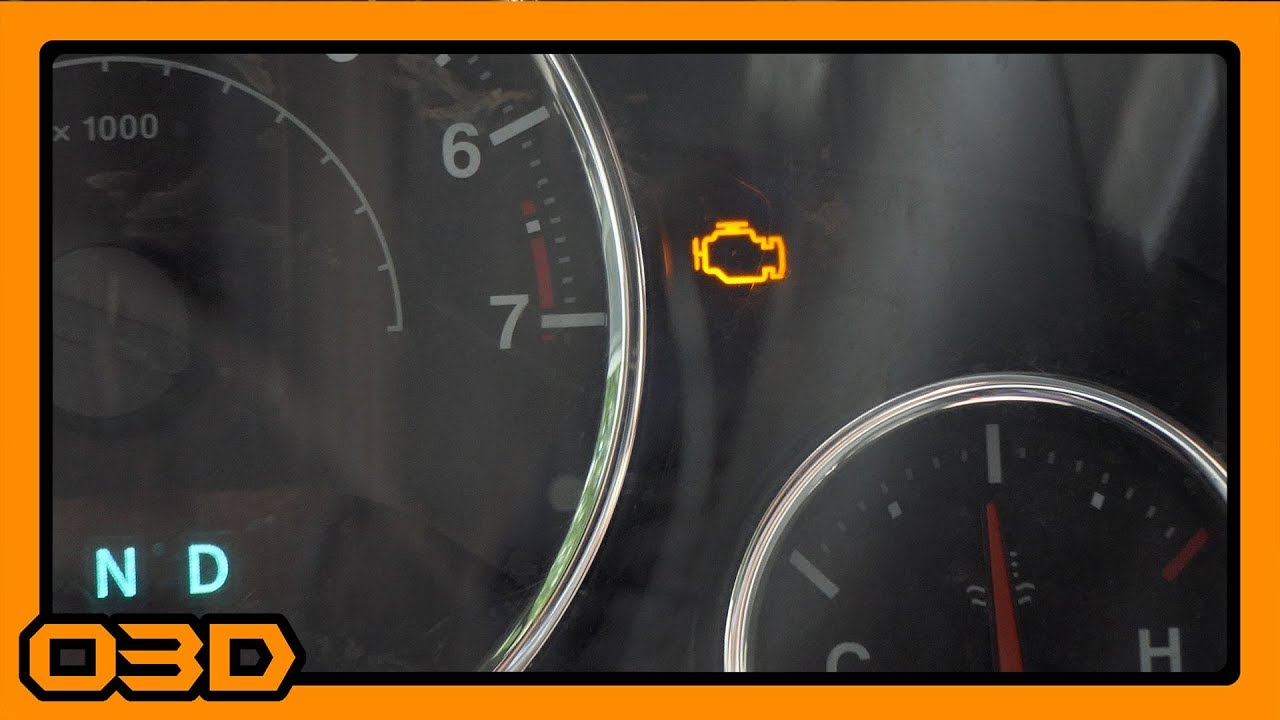
Jeep JK Check Engine Light Troubleshooting - P0113 - Air Intake Temperature Sensor Circuit High
June 20, 2019
Learn how to troubleshoot and fix a check engine light in your Jeep JK related to the air intake temperature sensor.
Quick Look
Overview
When your Jeep JK’s check engine light comes on, it can send any off-road enthusiast into a frenzy. However, the good news is that this doesn’t always signal a catastrophic problem. In this article, we’ll walk through a recent troubleshooting session focused on the P0113 code related to the air intake temperature sensor. Knowing how to diagnose and fix these issues not only brings relief but also enhances your off-road reliability.
What This Covers
This tutorial covers the steps needed to troubleshoot the check engine light in your Jeep JK, particularly when it relates to the air intake temperature sensor. We will look at how to interpret trouble codes, identify faulty components, and perform basic fixes.
Step-by-Step Breakdown
- Get Your Diagnostics Tools Ready: Before diving in, grab your diagnostic tool. In this instance, the Superchips TrailDash was used, which provided real-time data and codes. If you don’t have a reader, most auto parts stores offer free code reading services.
- Read Trouble Codes: Upon checking, two codes were present: P0113, indicating a circuit high input for the intake air temperature sensor, and a non-issue P0513 related to the key. Focus on resolving P0113.
- Understand the Implications: The air intake temperature sensor affects the engine’s fuel management based on the density of air entering the engine. A faulty sensor can impair performance, so it’s crucial to identify and resolve this issue.
- Inspect the Air Intake Sensor: Locate the air intake sensor and inspect its connection. In this case, the clip had loosened, causing an unreliable reading. Ensure the sensor is properly connected before moving on.
- Clear the Codes: After fixing the connection, clear the codes using the diagnostic tool to reset the check engine light. Start your Jeep and confirm that the check engine light goes off as expected.
- Test and Verify: Take your Jeep for a quick drive, monitoring engine performance and temperature readings to ensure everything operates normally.
Helpful Tips
- Always check for physical connections first when troubleshooting check engine lights – a loose or damaged sensor wire can be an easy fix.
- If the check engine light reappears, further investigation into the sensor and its environment (such as exposure to oil or dirt) may be warranted.
- Using a diagnostic tool not only allows you to clear codes but also helps you track real-time data that can lead to quicker problem resolution.
Key Takeaways
Diagnosing and fixing a check engine light in your Jeep JK can be straightforward, especially with the right tools and knowledge. In this case, a simple connection issue turned out to be the culprit behind a potentially nagging problem. Regularly checking your Jeep’s diagnostic codes can preemptively catch issues before they escalate, keeping your vehicle performing optimally on and off the road. Remember, your enhancements and mods should not only focus on performance but also on reliability — a well-maintained Jeep is a happy Jeep!