

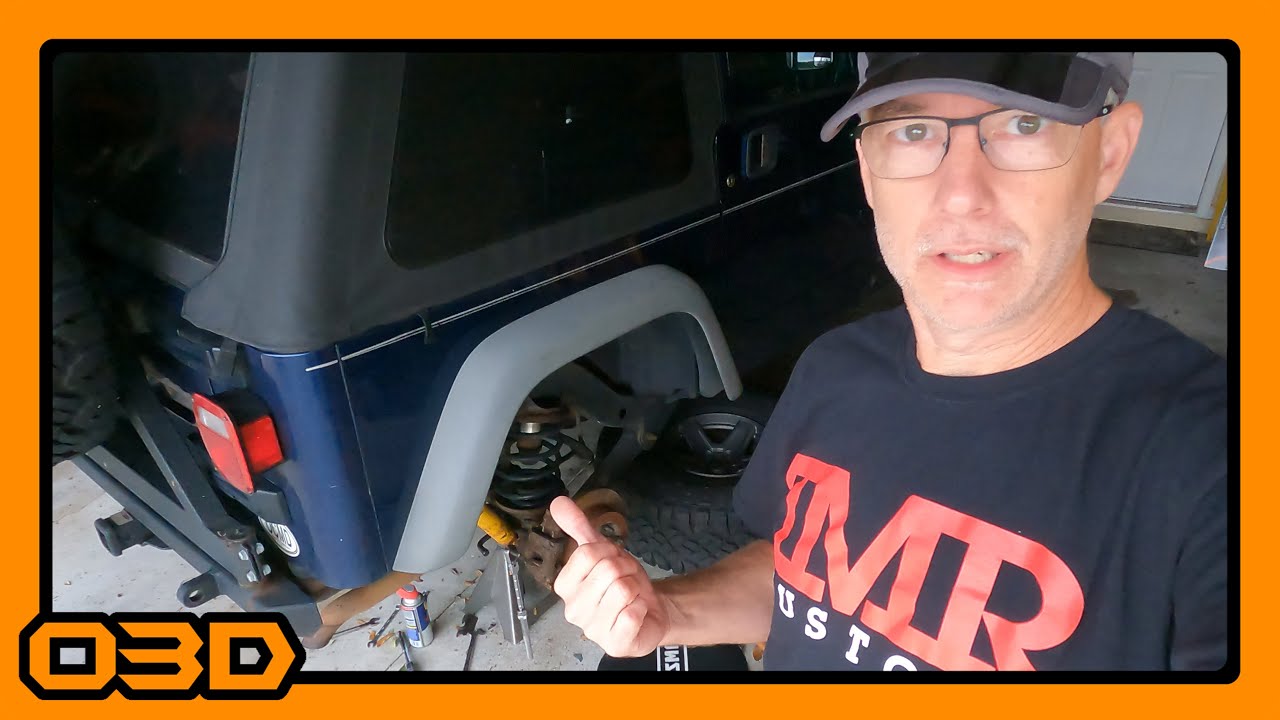
Replacing Hard Brake Lines on a 2004 Jeep Wrangler TJ
November 24, 2020
Learn how to replace hard brake lines on a 2004 Jeep Wrangler TJ, along with vital upgrades to ensure your brakes perform their best.
Quick Look
Overview
When it comes to off-roading and Jeep maintenance, the integrity of your braking system cannot be overstated. A sudden brake failure can lead to dangerous situations, as I discovered recently when my 2004 Jeep Wrangler TJ's brake pedal went straight to the floor as I stopped at a sign. Thankfully, I was able to make it home, but it became glaringly obvious that I had a significant issue with the hard brake lines—a common ticking time bomb in older vehicles. In this tutorial, I'll guide you through the comprehensive process of replacing your Jeep's hard brake lines, along with the master cylinder and calipers for enhanced performance.
What This Covers
In this article, we will cover:
- Identifying failing brake lines
- Tools and materials required for the job
- A step-by-step breakdown of the replacement process
- Critical tips to ensure a successful installation
Step-by-Step Breakdown
Replacing the hard brake lines on your Jeep can be a weekend project, and it’s more manageable if you break it down into clear steps:
- Gather Your Tools and Parts: You'll need basic hand tools such as wrenches, sockets, and pliers, along with new stainless steel brake lines, a master cylinder, and new rear brake calipers.
- Safety First: Before beginning, ensure your Jeep is safely elevated and secure it on jack stands. Also, remove the wheels to get clear access to the braking system.
- Remove Old Components: Start by unbolting the old brake lines. Be mindful of how the old lines are routed and connected, as this will inform how you install the new ones. Use a socket to remove any corroded or stubborn nuts for better leverage.
- Install New Brake Lines: Position the new stainless steel lines from Classic Tube, ensuring they follow the same path as the originals. Attach them securely, using new copper washers where necessary.
- Replace the Master Cylinder: Now that the brake lines are in, the master cylinder needs replacing. Remove the old master by detaching it from the proportioning valve and install the new one, ensuring all connections are snug.
- Upgrade Rear Calipers: While you're at it, install the new rear calipers. They play a crucial role in stopping power, so upgrading them for better performance is highly advisable.
- Bleed the Brakes: After everything is installed, bleed the brake system. I recommend using a vacuum pump for this, but you can also utilize a one-man brake bleeding kit for efficiency. Ensure there are no air bubbles in the system for optimal braking.
Helpful Tips
Here are some seasoned tips to make your brake line replacement smoother:
- Take photos of the original installation to refer back to during reassembly.
- Be cautious when removing old components to avoid stripping bolts—WD-40 or penetrating oil can help loosen rusted parts.
- Install everything hand-tight before fully torquing, allowing some wiggle room to ensure proper alignment.
- After completing the installation, always check for leaks by inspecting the connections once the brake system is filled and bled.
Key Takeaways
With proper attention and care, replacing the hard brake lines on your 2004 Jeep Wrangler TJ is a manageable task that can significantly improve your vehicle's safety and reliability. Remember to take your time, double-check connections, and enjoy the peace of mind that comes with knowing your Jeep is equipped for both road and off-road adventures!