

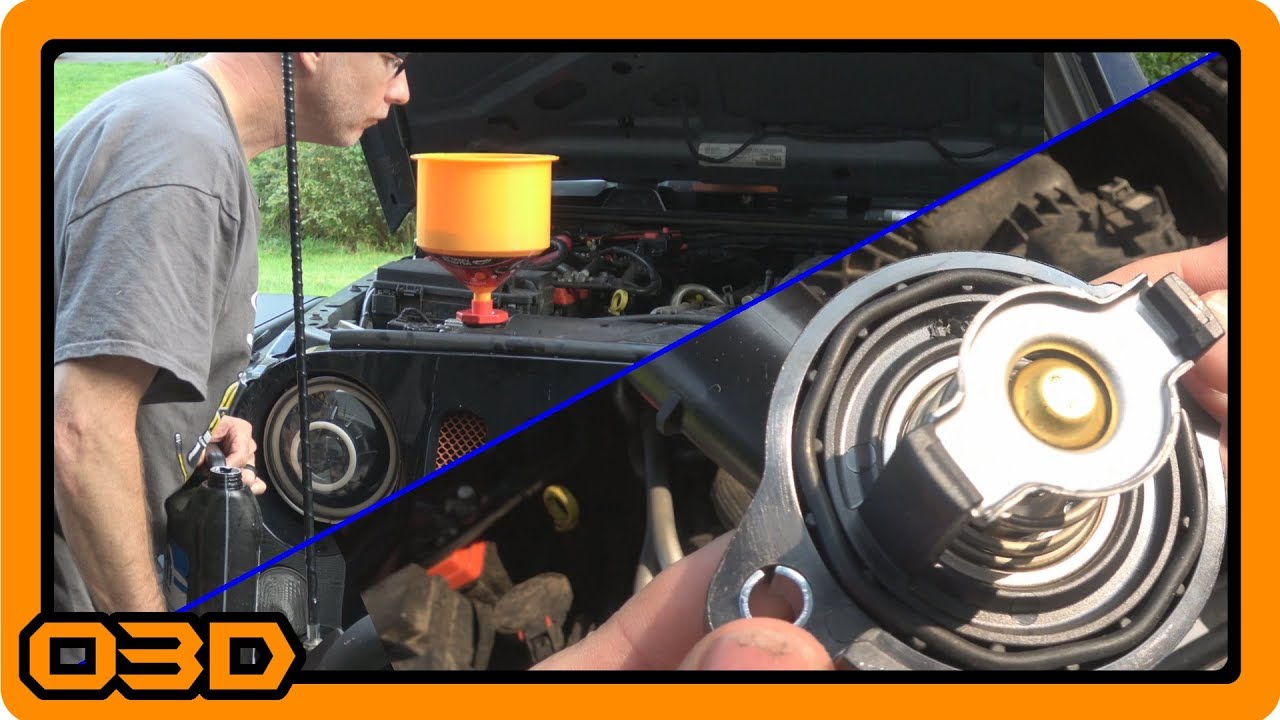
Thermostat Housing Replace and Bleeding Air from Cooling System - 2015 Jeep Wrangler JK 3.6L
August 23, 2018
Learn how to replace a thermostat housing and bleed the cooling system in your 2015 Jeep Wrangler JK 3.6L.
Quick Look
Overview
If you're a Jeep Wrangler JK owner, maintaining your vehicle's cooling system is vital, especially if you're planning off-road adventures in places like Moab. In this article, we’ll cover how to replace the thermostat housing in your 2015 Jeep Wrangler JK 3.6L and effectively bleed the air from the cooling system to ensure optimal performance.
What This Covers
This tutorial will guide you through:
- Identifying signs of cooling system issues
- Removing and replacing the thermostat and housing assembly
- Bleeding air from the cooling system
- Tips for maintaining optimal engine temperature
Step-by-Step Breakdown
The process is relatively straightforward if you follow these steps:
- Gather Your Tools and Parts: You'll need a few essential tools including a flat-head screwdriver, a 10mm socket, a torque wrench (optional), and a spill-proof funnel. Ensure you have the right MOPAR thermostat housing assembly, which typically includes a gasket.
- Locate the Thermostat Housing: The thermostat housing sits at the front of the engine, connected to the upper radiator hose. Look for any pink coolant residue, which can indicate a leak.
- Prepare for the Replacement: Allow the engine to cool completely before starting the replacement to avoid burns. Remove the intake air duct for better access to the thermostat housing.
- Remove the Old Assembly: Disconnect the upper radiator hose and the associated bolts (10mm) holding the thermostat housing in place. Be ready to catch any spillage with a tub placed underneath.
- Install the New Assembly: Clean the surface where the new thermostat housing will sit. Place the new assembly in position, aligning it with the mounting holes, and screw it in. Tighten the bolts to around 106 inch-pounds.
- Reconnect the Hose: Reattach the upper radiator hose and ensure that the clamp is secure. Re-install the air intake duct.
- Bleed Air from the System: This is a crucial step. Use the bleeder screw located at the top of the thermostat housing to release trapped air. Fill the radiator with a 50/50 mixture of organic additive technology (OAT) coolant and water, ensuring you select the correct coolant for your specific year of Jeep.
- Start the Engine: Turn the engine on with the heater set to its highest setting to facilitate proper coolant flow through the heater core. Monitor for any air bubbles escaping the bleeder screw, indicating air is being released from the system.
- Check for Leaks: After allowing the engine to run until it reaches operating temperature, check for any leaks around the thermostat housing area.
- Final Steps: Once you no longer see air bubbles, secure the bleeder screw, replace the radiator cap, and dispose of any excess coolant properly.
Helpful Tips
- Coolant Type Matters: Always refer to your owner’s manual for the correct coolant type to prevent engine damage.
- Keep Pets Safe: Antifreeze is toxic; ensure any spills are cleaned up immediately and discarded properly.
- Regular Maintenance: Keeping an eye on your cooling system can prevent larger failures down the road. Consider replacing the thermostat if you're noticing leaks or hear odd noises from the engine.
Key Takeaways
Replacing the thermostat and bleeding the cooling system on your 2015 Jeep Wrangler JK is a manageable DIY task that can save you from potential engine overheating issues on your next adventure. By following the steps outlined, you can ensure your Jeep runs smoothly and efficiently, whether you're tackling rough trails or cruising the highway.