

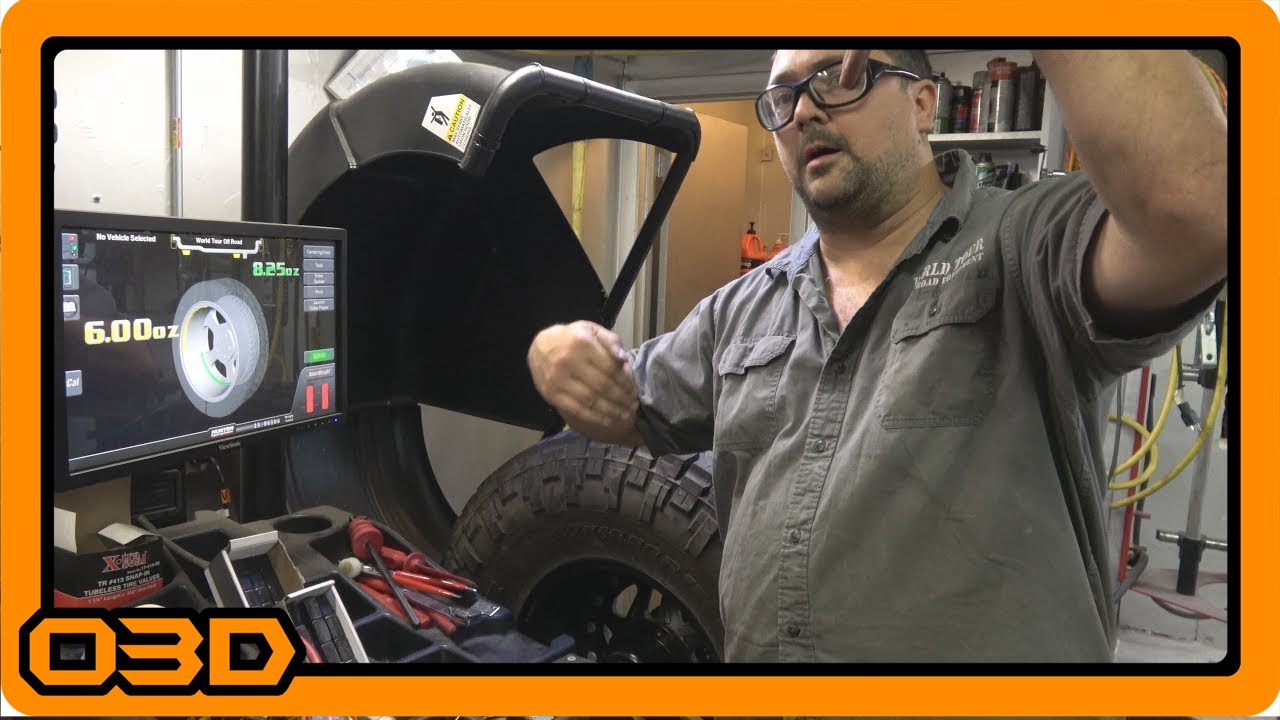
Tire School with Paul Wheel and Tire Balancing with Hunter Tire Machine World Tour Off Road
October 18, 2017
Learn how to balance tires effectively using Hunter's technology in this detailed guide.
Quick Look
Overview
Balancing tires is a crucial step in enhancing your vehicle's performance, especially for off-road enthusiasts. In this article, we’ll explore the art and science behind tire balancing, learned from Paul Warren at World Tour Off Road. Using the sophisticated Hunter SmartWeight Touch tire machine, we dive into the process that ensures your tires are perfectly balanced for any adventure.
What This Covers
We will walk through the steps of balancing a tire and wheel setup, discuss the technology at play, and highlight the importance of precision in ensuring optimal driving conditions. This guide is perfect for both seasoned off-roaders and newcomers looking to improve their vehicle handling.
Step-by-Step Breakdown
- Preparation: The balancing process begins with careful mounting of the tires onto the wheels. Paul uses a unique air-up technique with bursts of air that help seat the tire bead properly. This initial step is vital to prevent any air leaks and ensures that the tire is ready for balancing.
- Setting Up the Machine: Once mounted, the tire is placed on the Hunter tire machine. Paul selects the right cone-shaped adapter for a snug fit, which is essential for accurate balancing. This step eliminates any play that might lead to inaccuracies.
- Load Setup: The load eccentric adapting plate is aligned with the lug nut holes, ensuring a tight connection. This setup helps in achieving a repeatable and consistent measurement of balance as it minimizes the chance of variations caused by improper fitting.
- Balancing Process: The Hunter SmartWeight machine analyzes the tire's weight distribution. It identifies both vertical and lateral imbalances and displays recommended weight zones for correction. This dual imbalance detection is a significant advantage over other static balancing methods.
- Applying Weights: Based on the machine's readings, Paul applies sticky weights precisely where needed. The precision of this step is critical; improper weight placement can lead to a bouncy or unstable ride.
- Verification: After weights are applied, the tire is spun again to verify balance. Ideally, it should show minimal movement to confirm that it is balanced correctly. If necessary, adjustments are made until optimal balance is achieved.
Helpful Tips
- Invest in Quality Equipment: Using professional-grade machines like the Hunter SmartWeight can significantly improve the balancing process and results compared to standard shop equipment.
- Pay Attention to Lateral Imbalance: Many shops overlook lateral balancing, but this can lead to poor handling, especially at highway speeds. Ensure your tire shop addresses this issue.
- Be Patient: Sometimes, fine-tuning the balance requires multiple attempts. Be patient and willing to repeat steps to achieve the best results.
Key Takeaways
Balancing your tires correctly isn’t just about having the right tools; it’s about understanding the process and the technology behind it. With the right equipment and techniques, like those employed by Paul at World Tour Off Road, your Jeep can handle trails and roads with improved stability and comfort. Remember, proper tire balancing can extend the life of your tires and enhance your overall driving experience.